
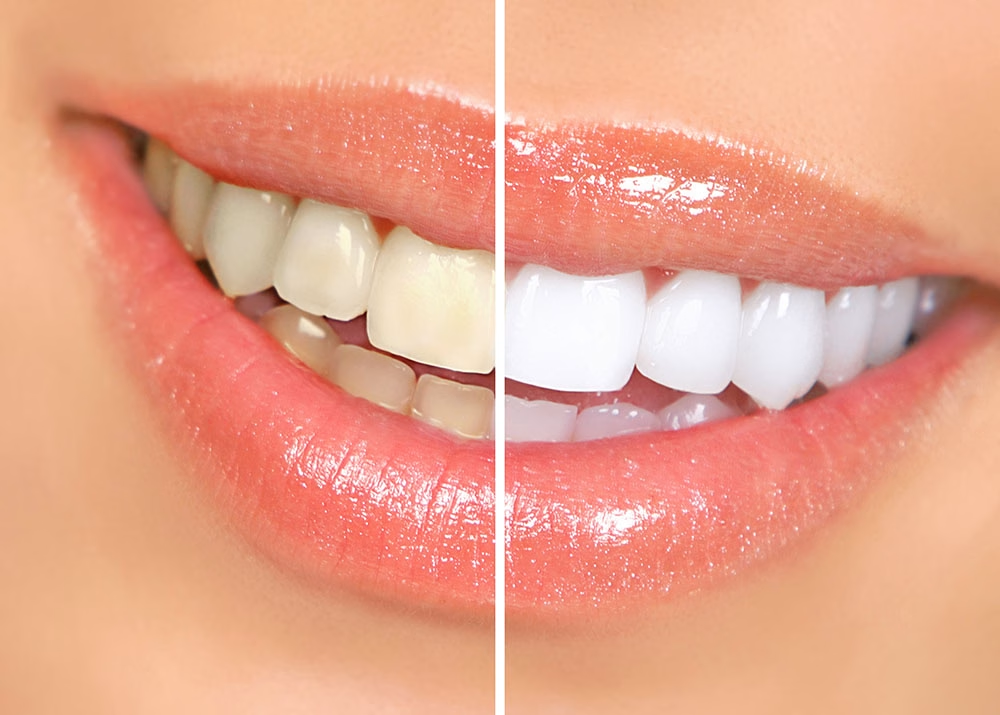
Walk down any drugstore aisle and you’ll find dozens of products promising a brighter smile — strips, gels, pens, toothpastes, and more. With so many options, it can be hard to know what’s actually effective versus what’s mostly marketing. Here’s a closer look at how teeth whitening really works and what tends to deliver the best results.
Why Teeth Discolor in the First Place
Tooth discoloration generally falls into two categories: surface stains and deeper, intrinsic discoloration. Surface stains come from everyday habits like drinking coffee, tea, or red wine, or from tobacco use. Intrinsic discoloration happens within the tooth itself and can result from aging, certain medications, or trauma to a tooth. The American Dental Association notes that understanding which type of discoloration you’re dealing with matters, because not every whitening method works equally well on both.
Over-the-Counter Products
Whitening toothpastes and strips can help with mild surface staining, largely through mild abrasives or lower concentrations of whitening agents. They tend to produce modest, gradual results, and they work best on surface-level stains rather than deeper discoloration. Because concentrations are limited for at-home safety, results are usually less dramatic than professional treatment.
Professional In-Office Whitening
Whitening performed in a dental office typically uses a higher concentration of whitening gel, often combined with a special light to accelerate the process. This allows for more significant, more even results in a single visit compared to store-bought products. Professional whitening is also supervised, which helps manage sensitivity and ensures the treatment is appropriate for your specific dental history, including any existing dental work.
Custom Take-Home Trays
Another professional option is a custom-fitted whitening tray, made specifically for your teeth, paired with professional-grade gel used at home over one or more weeks. Because the trays are custom-made, the whitening gel makes better contact with your teeth than one-size-fits-all strips, which can lead to more even results.
What Doesn’t Whiten Teeth
It’s worth noting that whitening treatments only work on natural tooth enamel. Crowns, veneers, and fillings won’t respond to whitening the same way, which is an important consideration if you have existing dental work in a visible area of your smile. The American Dental Association recommends discussing your specific dental history with a professional before starting any whitening treatment.
Getting the Best Results
Whichever method you choose, results tend to last longer when you limit staining foods and drinks afterward and maintain good oral hygiene. If your discoloration hasn’t responded well to whitening, or if you have visible dental work you’re hoping to match, a conversation with your dentist about other cosmetic options may be more effective than continuing to try whitening products at home.